
Learn the top 5 proven steps to pack fragile goods safely, reduce damage, returns, and improve fulfilment for eCommerce businesses.
Why Fragile Goods Fulfilment Needs a Special Approach
Fragile items are vulnerable at every stage of the fulfilment journey:
- Picking from storage
- Packing at the station
- Transport between warehouses
- Courier handling
- Last-mile delivery
A single weak point in this chain can result in breakage.
Unlike standard products, fragile goods require:
- Special packaging materials
- Trained packing staff
- Additional quality checks
- Clear handling instructions
This is why many growing brands choose specialist fulfilment services for fragile items instead of packing orders in-house.
Fulfilment Services: Everything You Need to Know
Step 1: Choose the Right Outer Box (Size & Strength Matter)
The first step in protecting fragile goods is selecting the correct outer packaging.
Best practices for outer boxes:
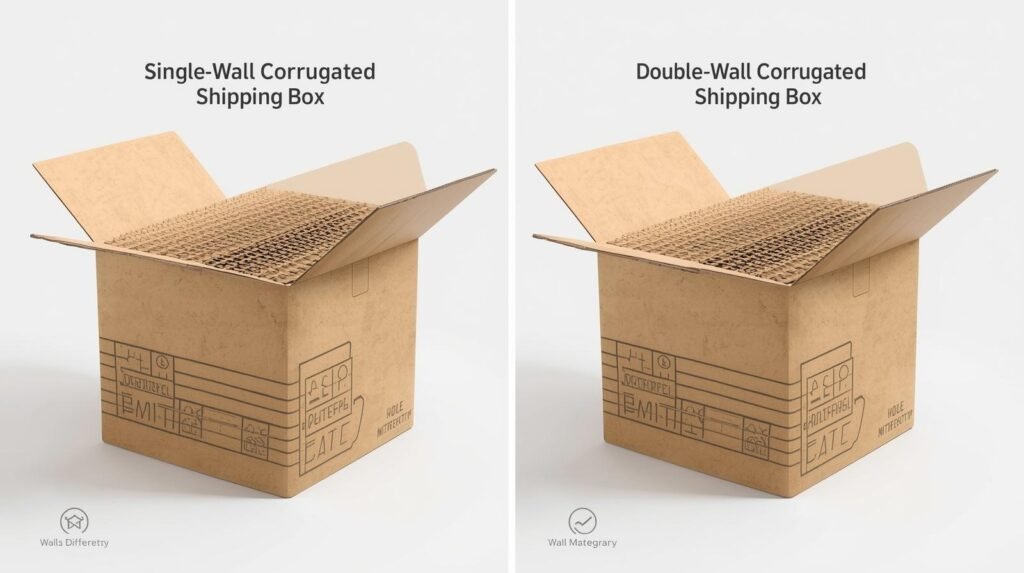
- Use double-walled corrugated boxes
- Avoid oversized boxes (extra space increases movement)
- Avoid boxes that are too tight (causes pressure damage)
- Use new or high-quality boxes (not reused or weakened)
The box should be:
- Strong enough to handle stacking
- Sized correctly to allow cushioning material
- Able to withstand drops and compression during transit
Tip: A strong box is your first line of defence — no amount of internal padding can compensate for a weak outer box.
3PL Warehouse: Fulfilment Solution for Modern Businesses
Step 2: Use Proper Cushioning & Void Fill Materials
Cushioning absorbs shock and prevents movement inside the box — one of the main causes of breakage.
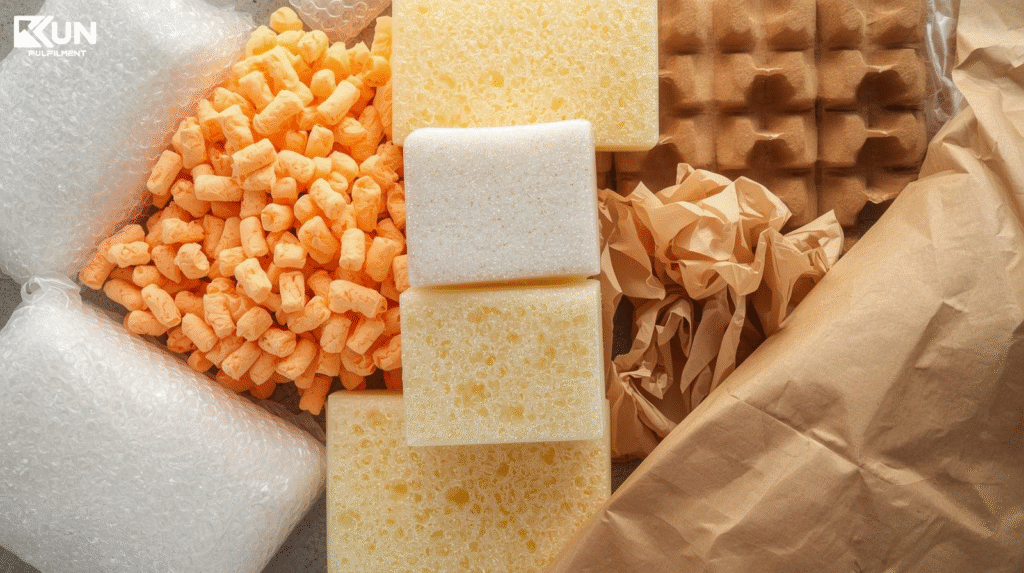
Recommended cushioning materials:
- Bubble wrap (small or large bubbles)
- Foam inserts or pads
- Air pillows
- Honeycomb paper
- Packing peanuts (eco-friendly versions preferred)
Packing rule:
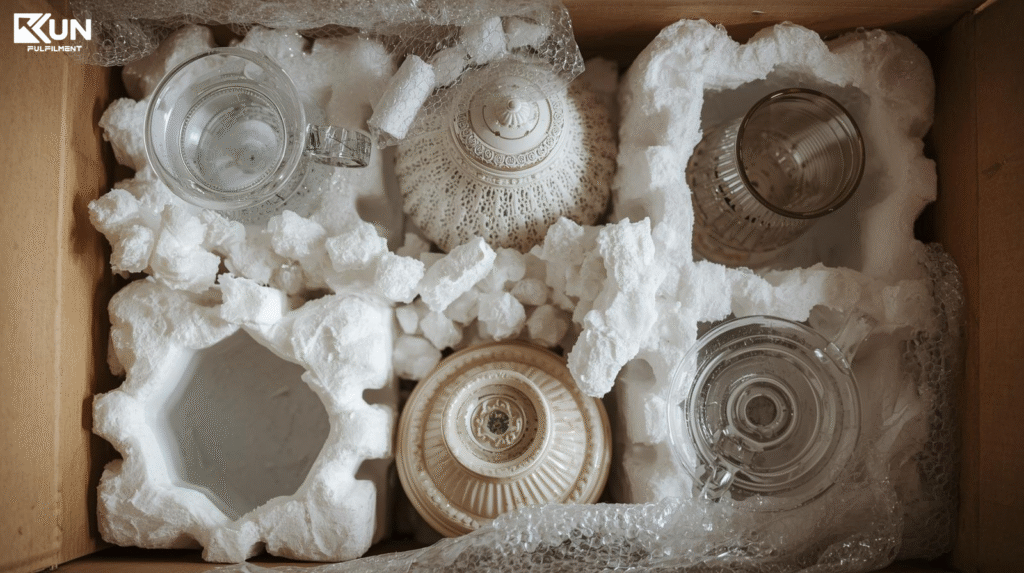
Fragile items should never touch the box walls directly.
Each item should be:
- Individually wrapped
- Surrounded on all sides by cushioning
- Immobilised inside the box
Poor void fill = higher damage rates and unhappy customers.
Step 3: Secure Items Individually (Especially for Multi-Item Orders)
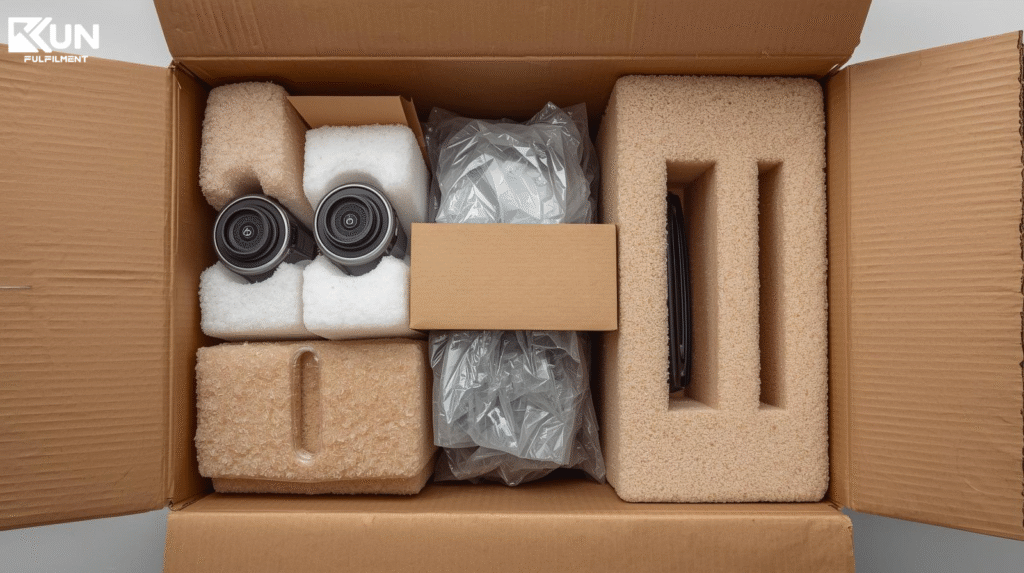
One of the most common mistakes in fragile fulfilment is packing multiple items together without separation.
Best practice:
- Wrap each fragile item individually
- Use dividers or compartments for multi-item orders
- Prevent items from touching each other
Example:
If you’re shipping:
- 2 glass jars
- 3 candles
Each should be wrapped separately, even if they’re in the same box.
This prevents:
- Items colliding during transit
- Pressure cracks
- Surface scratches
Step 4: Label Clearly & Follow Handling Instructions
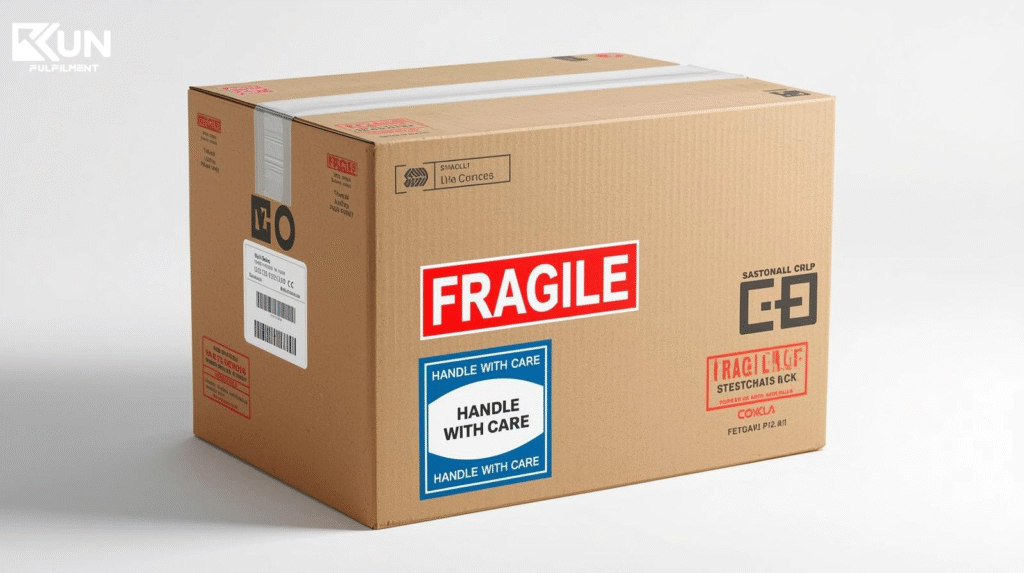
While labels don’t guarantee gentle handling, they significantly reduce careless treatment.
Essential labels for fragile goods:
- FRAGILE
- HANDLE WITH CARE
- THIS SIDE UP
Labels should be:
- Large and visible
- Placed on multiple sides of the box
- Combined with proper internal protection
Important: Labels are a supporting measure, not a replacement for good packaging.
E-Commerce Fulfilment: A Comprehensive Guide
Step 5: Work With a Fulfilment Partner Experienced in Fragile Goods
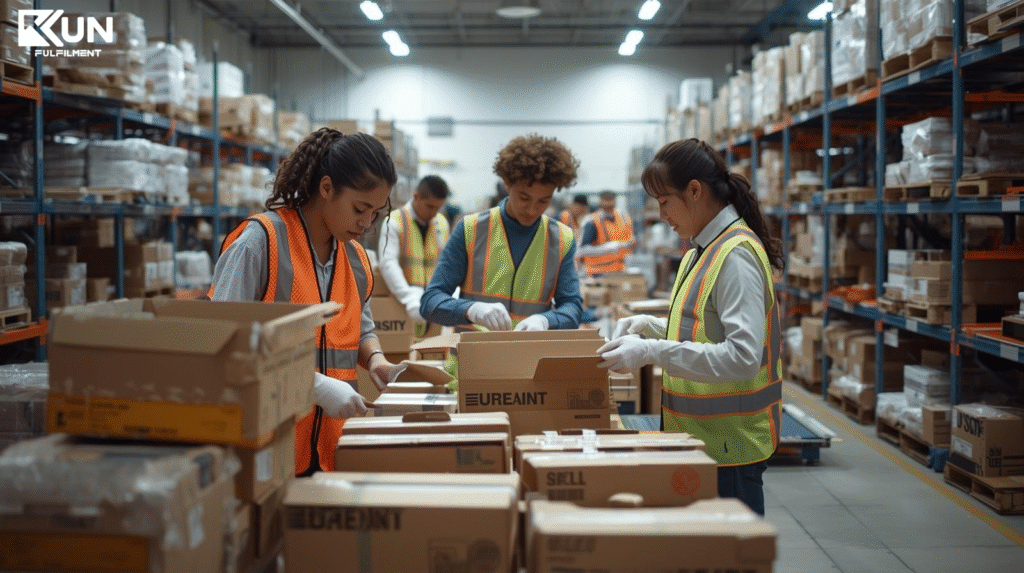
Packing fragile items correctly takes experience, training and the right systems.
Professional fulfilment partners:
- Train staff specifically for fragile packing
- Use tested packaging methods
- Monitor damage rates
- Adjust packaging based on courier performance
At Kun Fulfilment, fragile goods are handled with:
- SKU-specific packing instructions
- Quality checks before dispatch
- Courier optimisation for delicate items
- Proven packaging standards to reduce breakage
The result?
Fewer returns,happier customers and lower replacement costs.
3PL Providers & Their Role in Transforming Businesses
Common Fragile Packing Mistakes to Avoid
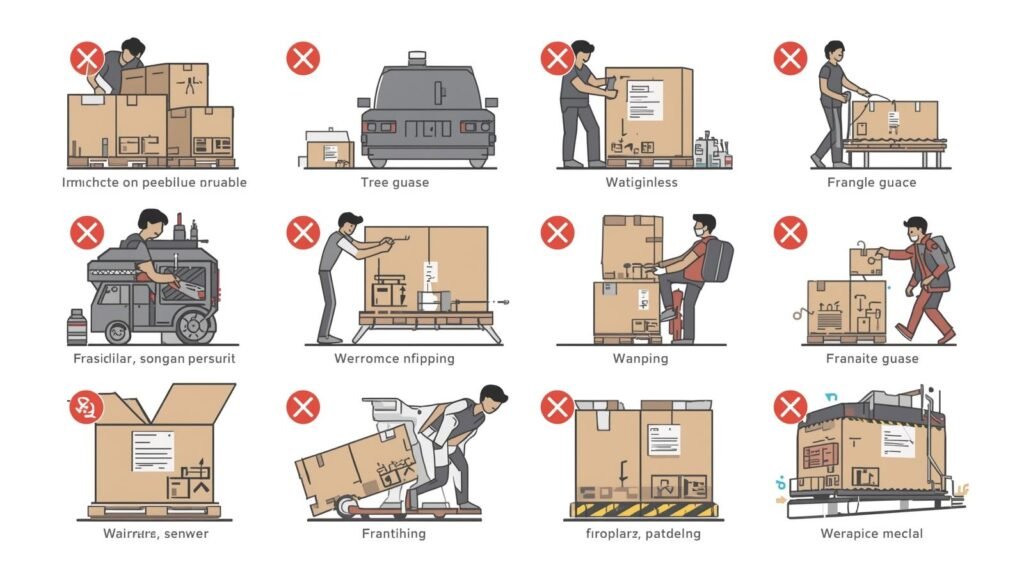
Even small mistakes can cause damage.
Avoid:
- Using oversized boxes
- Skipping void fill
- Reusing damaged boxes
- Packing items too tightly
- Relying only on “Fragile” labels
Each mistake increases:
- Breakage rates
- Refunds
- Customer complaints
How Proper Fragile Fulfilment Reduces Costs
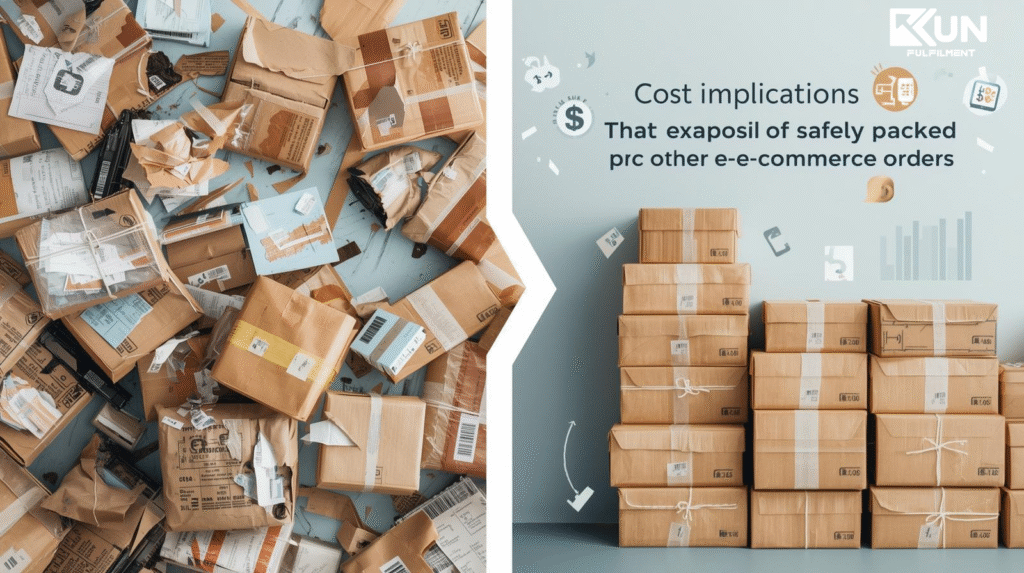
Safe packing isn’t just about protection — it’s about profitability.
Correct fragile fulfilment:
- Reduces return shipping costs
- Minimises replacement orders
- Improves customer reviews
- Protects brand reputation
Investing in better packing often costs less than dealing with damage
Industries That Benefit Most from Fragile Goods Fulfilment
Fragile fulfilment is especially critical for:
- Beauty & cosmetics
- Glassware & ceramics
- Candles & home décor
- Electronics & accessories
- Luxury and gift products
If your product can break, leak, crack, or scratch — fragile fulfilment is not optional.
TL;DR – Top 5 Steps to Pack Fragile Goods Safely
- Use strong, correctly sized boxes
- Apply proper cushioning and void fill
- Pack items individually
- Label clearly and correctly
- Partner with an experienced fulfilment provider
Conclusion: Fragile Goods Need Smart Fulfilment
Fragile products demand extra care, tested processes and professional handling. When packed correctly, fragile items can be shipped safely, cost-effectively, and at scale. With Kun Fulfilment, your fragile goods are protected by proven packing standards and experienced fulfilment teams — so your customers receive products in perfect condition.
Explore Kun Fulfilment’s Fragile Goods Fulfilment Services