
Energy costs are rising across the UK — and for Ecommerce businesses, warehouses and in-house fulfilment operations are often one of the biggest hidden energy drains.
Why Energy Costs Are a Growing Problem for eCommerce Businesses
Running an in-house fulfilment setup means you’re responsible for every energy-intensive activity including:
- Warehouse lighting and heating
- Packing stations and machinery
- Computers, printers and label systems
- Refrigeration or climate control (especially for beauty, food or supplements)
- Multiple courier collections and vehicle usage
- As order volumes grow, So does energy usage — often faster than revenue.
- E-Commerce Fulfilment: A Comprehensive Guide
The Hidden Energy Costs of In-House Fulfilment
Energy costs in fulfilment are not always obvious on paper. They are spread across multiple operational areas.
Lighting & Heating
Warehouses require long operating hours, often with lights and heating running all day — even when order volume is low.
Packing & Printing
Printers, scanners, label machines and packing tools run continuously especially during peak seasons.
Inefficient Deliveries
Running your own dispatch often means:
- Multiple daily courier visits
- Partial van loads
- Higher fuel consumption per order
Underutilised Space
Small brands often rent more space than needed, heating and powering areas that aren’t fully used.
The result?
High fixed energy costs, regardless of how many orders you ship.
How Professional Fulfilment Warehouses Reduce Energy Consumption
Third-party fulfilment providers (3PLs) operate at scale, which dramatically changes how energy is used.
Shared Energy Usage
Instead of one business paying for:
- Lighting
- Heating
- Equipment
- Those costs are shared across hundreds of brands.
This alone reduces your per-order energy footprint.
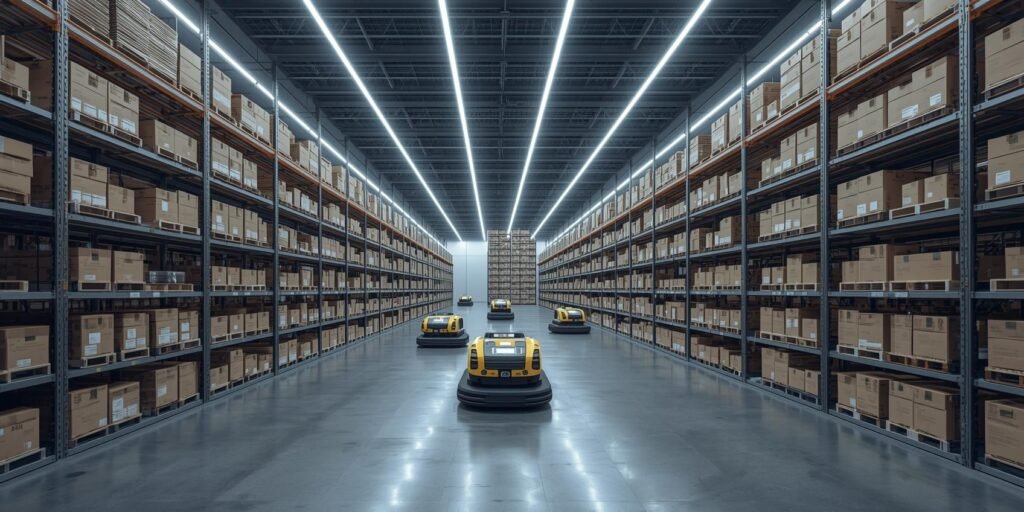
Optimised Warehouse Design
Professional fulfilment centres are designed to be:
- Space-efficient
- Zoned for heating
- Optimised for lighting placement
- Structured to minimise wasted energy
Many 3PLs invest in:
- LED lighting
- Motion sensors
- Energy-efficient racking layouts
- Fulfilment Warehouse: Solution for Modern Businesses
Automation & Technology: Lower Energy per Order
Automation is one of the biggest energy savers in fulfilment.
Automated Picking & Packing
Modern fulfilment centres use:
- Barcode scanning
- Batch picking
- Route-optimised packing flows
This reduces:
- Idle machinery time
- Repeated movements
- Excess lighting usage
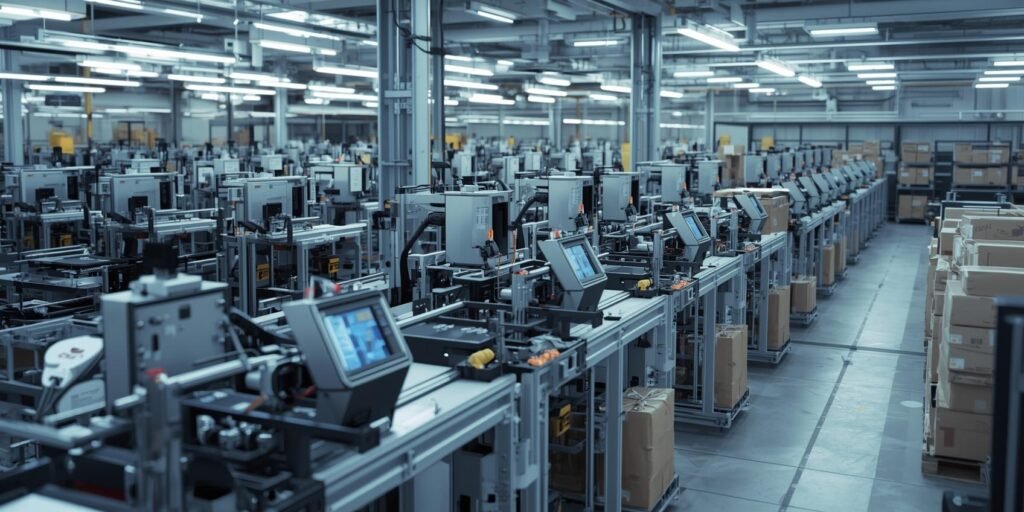
Smart Inventory Systems
Advanced warehouse management systems (WMS):
- Reduce unnecessary stock movement
- Prevent over-ordering
- Lower energy used for handling returns and dead stock
- Third-Party Logistics (3PL) Software
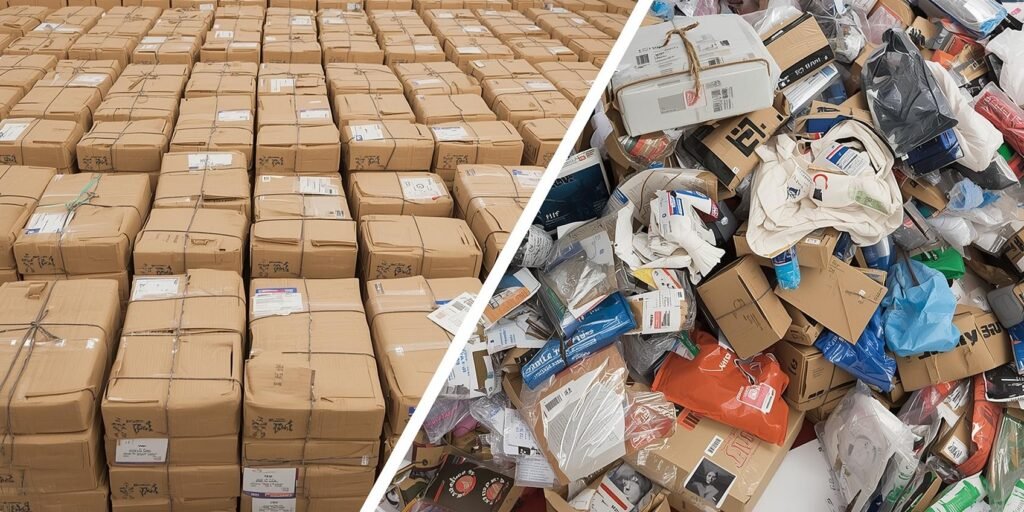
Fewer Returns = Lower Energy Bills
Returns are one of the most energy-expensive parts of eCommerce.
They involve:
- Additional transport
- Repacking
- Re-labelling
- Re-storage
Professional fulfilment centres reduce returns by:
- Improving picking accuracy (often 99.9%)
- Using proper packaging methods
- Automating quality checks
Every avoided return means:
- Less fuel
- Less electricity
- Less labour energy
- How to Improve Order Fulfilment Process
Smarter Shipping = Lower Energy & Fuel Costs
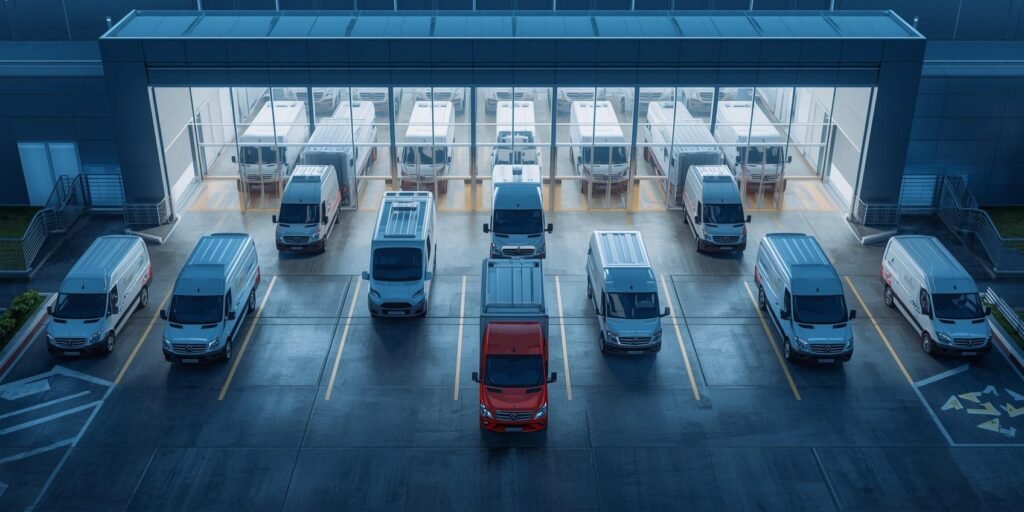
Fulfilment providers negotiate bulk courier contracts, allowing:
- Route consolidation
- Full van loads
- Fewer courier trips per order
Instead of multiple couriers visiting your location daily, fulfilment centres:
- Dispatch thousands of parcels at once
- Optimise last-mile delivery routes
- Reduce fuel consumption per parcel
This directly lowers:
- Energy use
- Carbon footprint
- Shipping-related costs
- 3PL Logistics: The Engine Powering Global Supply Chain
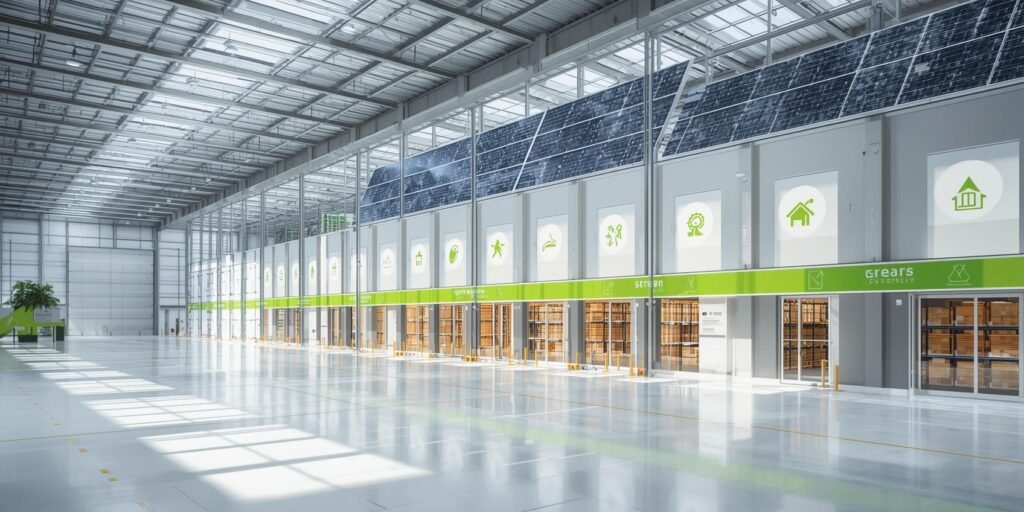
Eco-Friendly Fulfilment & Sustainable Energy Practices
Many modern fulfilment centres now focus on sustainability, investing in:
- Renewable energy sources
- Energy-efficient heating systems
- Solar-powered warehouses
- Recyclable packaging solutions
By outsourcing fulfilment, your brand can:
- Reduce its environmental impact
- Market itself as eco-conscious
- Meet sustainability expectations from customers
- Sustainability is no longer optional — it’s a competitive advantage.
Energy Savings for Growing & Seasonal Businesses
Energy costs hurt the most when sales fluctuate.
In-House Fulfilment
- Fixed energy costs year-round
- High bills even during slow months
Outsourced Fulfilment
- Energy usage scales with orders
- You only pay for what you ship
- No wasted electricity during quiet periods
This is especially valuable for:
- Seasonal brands
- Subscription boxes
- TikTok or campaign-driven stores
Real Cost Comparison: In-House vs Fulfilment
| Area | In-House Fulfilment | 3PL Fulfilment |
| Lighting & Heating | Fully paid by you | Shared |
| Equipment Energy | 100% yours | Included |
| Shipping Fuel | High per order | Optimised |
| Returns Energy | Higher | Lower |
| Scalability | Poor | Excellent |
Conclusion: Reduce Energy Bills by Rethinking Fulfilment
Energy costs don’t have to grow with your business.
By outsourcing fulfilment, you:
- Reduce direct energy consumption
- Lower fuel and delivery usage
- Improve operational efficiency
- Support sustainable growth
How Fulfilment Cuts Energy Costs
- Shared warehouse energy
- Optimised lighting & heating
- Automated packing & picking
- Fewer returns
- Smarter shipping routes
- Scalable energy usage
- Eco-friendly operations
Contact Us
If you want to make your fulfilment process more energy-efficient, cost-effective and stress-free Kun Fulfilment is here to help. Whether you’re looking to switch from in-house fulfilment or reduce your current logistics costs our expert team will guide you to the best solution. Contact us today to discover how smart fulfilment can lower your energy bills and streamline your operations.